

The Opening Drive 1/15: What Each 2026 NFL Head Coaching Candidate Is Known For Schematically
As coordinators and head coaches, most candidates have core philosophies that they have developed over the years and are known for running on either offense or defense.

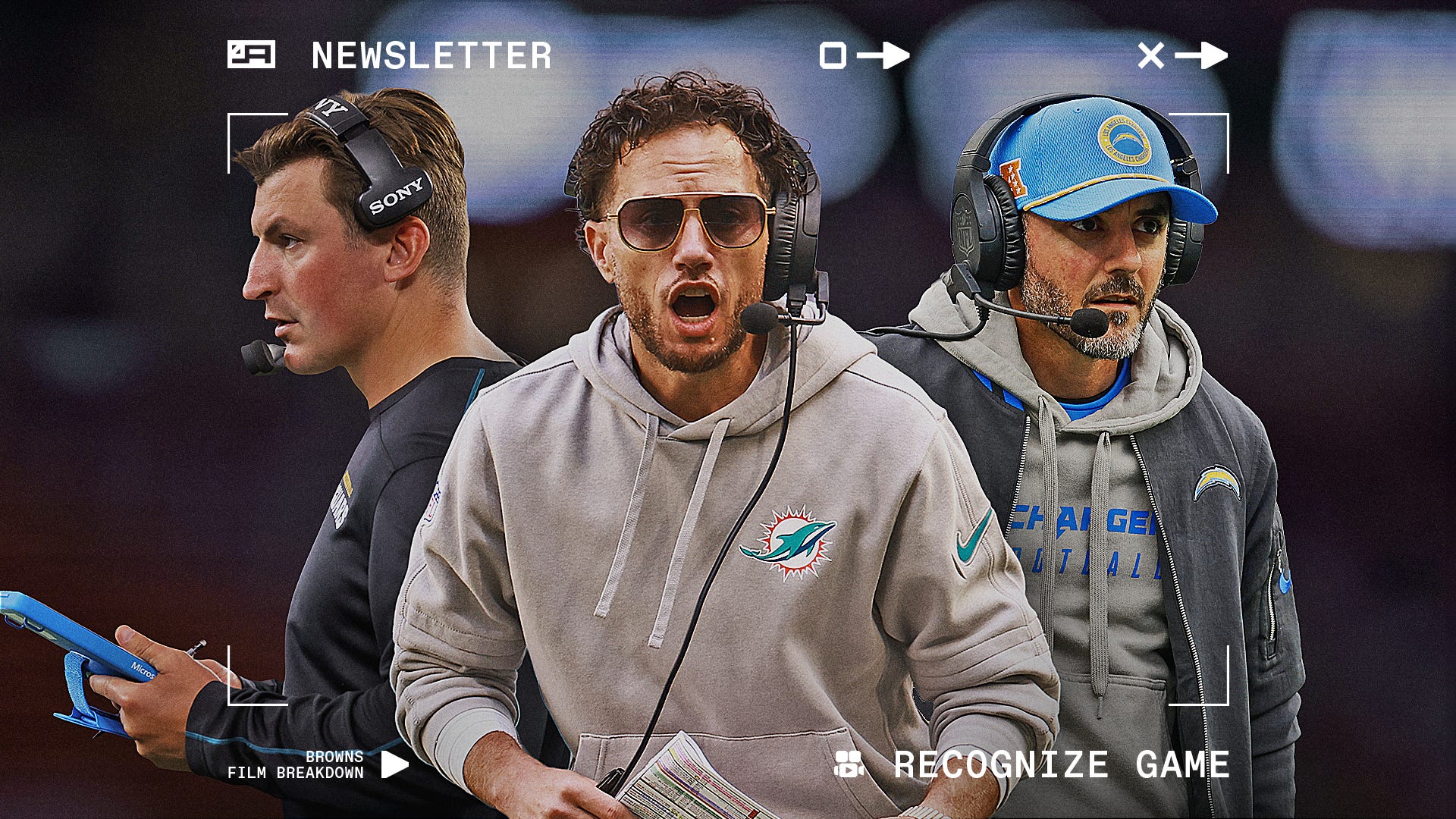
As the 2026 NFL head coaching cycle unfolds, front offices are once again balancing leadership presence with schematic identity. While interviews often center on culture, communication, and staff-building plans, the truth remains that a head coach’s schematic DNA still shapes everything from roster construction to weekly game plans.
Below is a scheme-focused breakdown of the primary 2026 head-coaching candidates who have interviewed or drawn legitimate league interest, organized by offensive and defensive background.
OFFENSIVE CANDIDATES
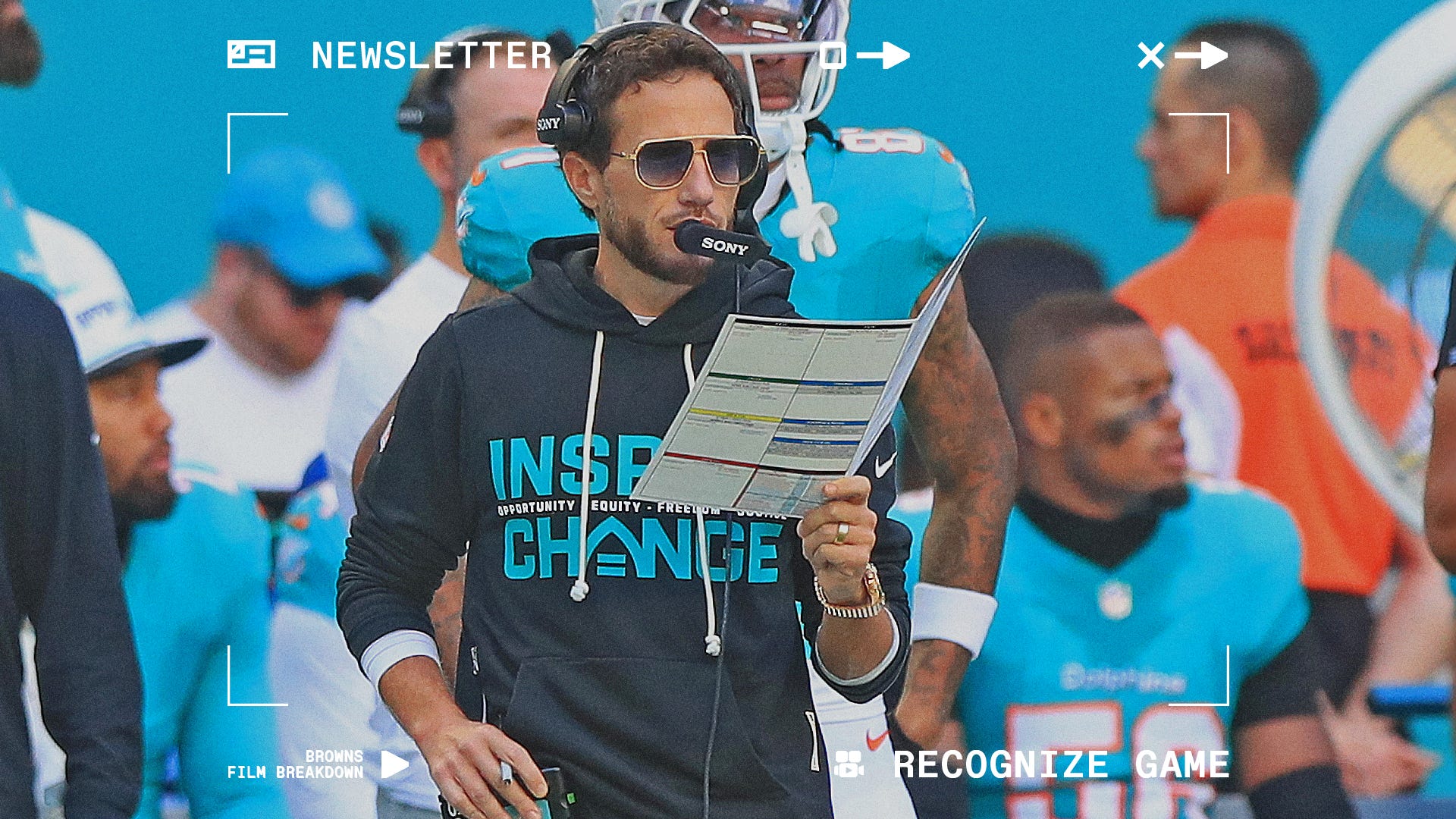
Mike McDaniel
McDaniel’s schematic identity is rooted in the Shanahan wide-zone system, using outside-zone runs to force horizontal defensive flow. From that foundation, he layers relentless pre-snap motion and play-action to create leverage, simplify quarterback reads, and manufacture space for speed to work. At its best, the scheme turns timing and misdirection into an offensive attack that stresses defenses both horizontally and vertically.
Kliff Kingsbury
Kingsbury’s offense is rooted in Air Raid principles adapted for the NFL. His teams live in shotgun, emphasize spacing over physicality, and rely heavily on timing and quarterback accuracy. When protection holds and rhythm is established, the offense can overwhelm defenses horizontally. When timing breaks down, however, it can struggle to manufacture answers in adverse conditions.
Klint Kubiak
Kubiak operates from the Shanahan coaching tree, emphasizing wide-zone runs paired with layered play-action concepts. All of which is tied into West Coast Offense passing staples. His system is designed to create defined reads for the quarterback while stressing linebackers with misdirection. The offense thrives on efficiency rather than volume and is often quarterback-friendly even without elite arm talent.
Dan Pitcher
Pitcher represents the modern quarterback-centric school of offense. His system prioritizes pre-snap clarity, quick processing, and built-in answers versus pressure. Shotgun formations dominate, and the passing game is structured to reduce hesitation and negative plays. He comes from the Zac Taylor approach which is rooted in McVay’s tree. They lean into the same disguise principles but do it from different looks.
Tommy Rees
Rees blends pro-style structure with college spacing concepts. His offenses tend to emphasize protection, condensed formations, and tight end usage, placing a premium on efficiency rather than explosive volume. The approach is pragmatic and flexible, particularly when working with limited quarterback play.
Matt Nagy
Nagy’s offense descends from Andy Reid’s West Coast system, featuring heavy motion, RPO elements, and misdirection. At its best, the scheme manufactures space and easy completions. At times, however, it has been criticized for over-complexity and a tendency to drift away from foundational concepts.
Mike McCarthy
McCarthy’s system is built on timing-based West Coast principles, emphasizing rhythm throws and quarterback autonomy at the line of scrimmage. While structurally sound, the offense has not always kept pace with modern motion and spacing trends, making McCarthy more of a stabilizing hire than a schematic innovator.
Brian Daboll
Daboll is best known for his adaptability. Rather than forcing quarterbacks into a rigid system, he molds the offense around their strengths, incorporating designed quarterback runs and simplified reads when necessary. His offenses are game-plan heavy and often outperform expectations in the short term.
Davis Webb
Webb comes from the McVay-Shanahan lineage, emphasizing quarterback mechanics, footwork, and pre-snap recognition. His offensive philosophy centers on clarity and rhythm rather than complexity, making him a developmental candidate with long-term upside.
Below you’ll find the latest in the BFB catalog for supporters to dig into. Click the link to become a supporter if you haven’t already, and enjoy all the latest from Browns Film Breakdown.
Latest Podcasts:
AFC North Coaching Shakeup, More Browns Coaching Rumors, and Predicting the NFL's HC Landing Spots
The Appeal of Grant Udinski, and Which Browns Free Agents are Worth Discussing a Return
Latest Articles:
The Final Drive 1/14: Dante Moore Shakes Up the 2026 NFL Draft with Return to Oregon
Opening Drive 1/10: All-Pro Team Announced, and Building the Rest of the Coaching Staff Matters

DEFENSIVE CANDIDATES
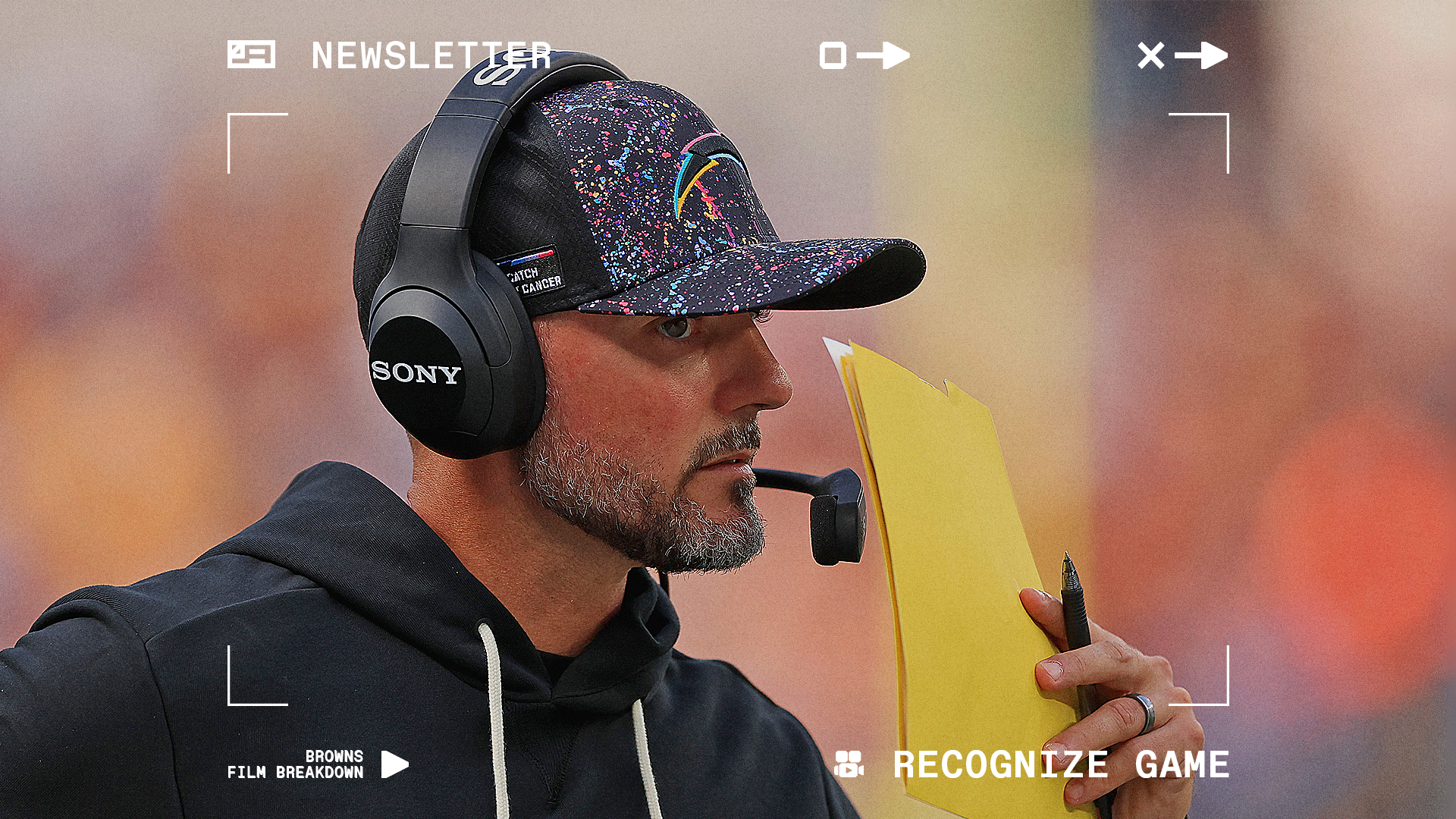
Jesse Minter
Minter represents the modern evolution of defensive football. His system blends simulated pressure, strong zone principles with sound technique, split-safety looks, and opponent-specific game plans. He is viewed league-wide as a fast-rising tactician.
Brian Flores
Flores deploys one of the league’s most aggressive and unpredictable defensive systems. His defenses rely on disguised pressure, simulated blitzes, and man coverage with late rotations. The scheme can overwhelm quarterbacks but demands discipline and mental toughness from its players.
Aden Durde
Durde is a part of Mike Macdonald’s system that runs a modern hybrid defense rooted in 3-4 principles. His unit emphasizes versatility along the front, gap integrity, and controlled aggression. Rather than constant blitzing, the defense stresses quarterbacks through disguise and alignment.
Lou Anarumo
Anarumo’s defenses are built on coverage disguise and situational intelligence. He is willing to sacrifice aggression for late rotations and matchup integrity, particularly against elite quarterbacks. His reputation as a postseason game-planner is among the best in the league.
Steve Spagnuolo
Spagnuolo favors an attacking, pressure-oriented philosophy. His defenses use creative blitz timing and overloads to create chaos, trusting defensive backs in man coverage. The system can generate turnovers but occasionally gives up explosive plays.
Vance Joseph
Joseph blends two-high safety shells with selective pressure packages. His defenses focus on limiting explosive plays while manufacturing interior disruption. The approach is flexible but often conservative relative to more aggressive peers.
Jim Schwartz
Schwartz’s identity is unmistakable: wide-9 alignments, penetration, and reliance on the front four. Blitzing is minimal, and the defense lives or dies by its pass rush. When talent is present up front, the system can dominate.
Jeff Hafley
Hafley runs a quarters-based coverage system that prioritizes preventing explosive plays. His defenses emphasize defensive back development and disguise rather than pressure, placing significant importance on consistent pass rush.
Robert Saleh
Saleh’s system is built around Seattle-style Cover-3 principles with a four-man rush. Speed, discipline, and linebacker range are critical. The defense has a high floor when personnel fits but limited flexibility otherwise.
Patrick Graham
Graham’s defenses are defined by adaptability. He adjusts fronts and coverage based on personnel, favoring disguise and situational flexibility over raw aggression.
Chris Shula
Shula operates from the Vic Fangio coaching tree, emphasizing split-safety coverage, light boxes, and disciplined rush lanes. The scheme forces offenses to be patient and mistake-free.
Anthony Weaver
Weaver’s defenses are physical and front-seven driven. He favors early disruption, blending man and zone principles to challenge quarterbacks before routes fully develop.
Anthony Campanile
Campanile’s approach is rooted in fundamentals, tackling, and linebacker play. His defenses are simplified structurally, allowing players to play fast and physical. He is a mix of Brian Flores aggressive approach with some of Jeff Hafley’s quarters-dense approach.

Browns Film Breakdown will return soon with some fresh content.

Nothing on Udinski?
Great stuff Brad!