

The Opening Drive 6/30: What Todd Monken’s History Tells Us About Running Back Usage
What to expect when it comes to ball distribution between the Browns running backs in 2026.

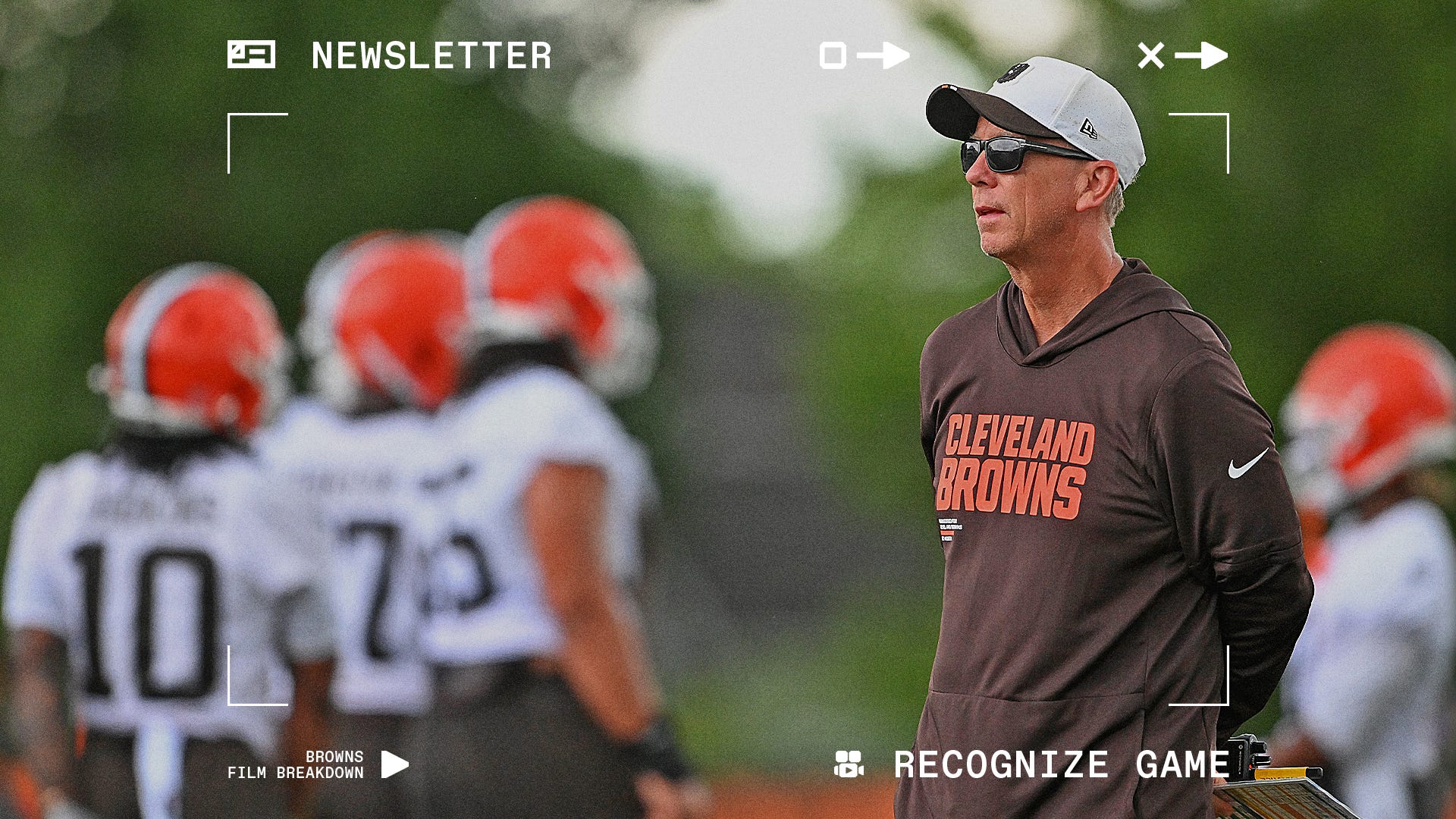
One of the biggest questions surrounding Todd Monken’s offense in Cleveland is how he will to utilize his running backs. A topic that came up just the other night as Jake and I talked through Dylan Sampson’s role in the Browns offense this season. Is Monken a coach who wants to feature one back? Does he prefer a two-back system? Or does he believe in rotating three or four players throughout a game?
After looking back at every stop where Monken has been the primary offensive coordinator or play caller, one thing becomes clear: he doesn’t have a rigid philosophy when it comes to distributing carries. Instead, his offense adapts to the talent on the roster. If he has an elite running back capable of handling a heavy workload, he’ll feed him. If he has multiple talented backs with different skill sets, he’ll create clearly defined roles for each of them rather than forcing touches to everyone equally.
His philosophy has always been centered on maximizing his personnel’s strengths, not on fitting players into a predetermined system.
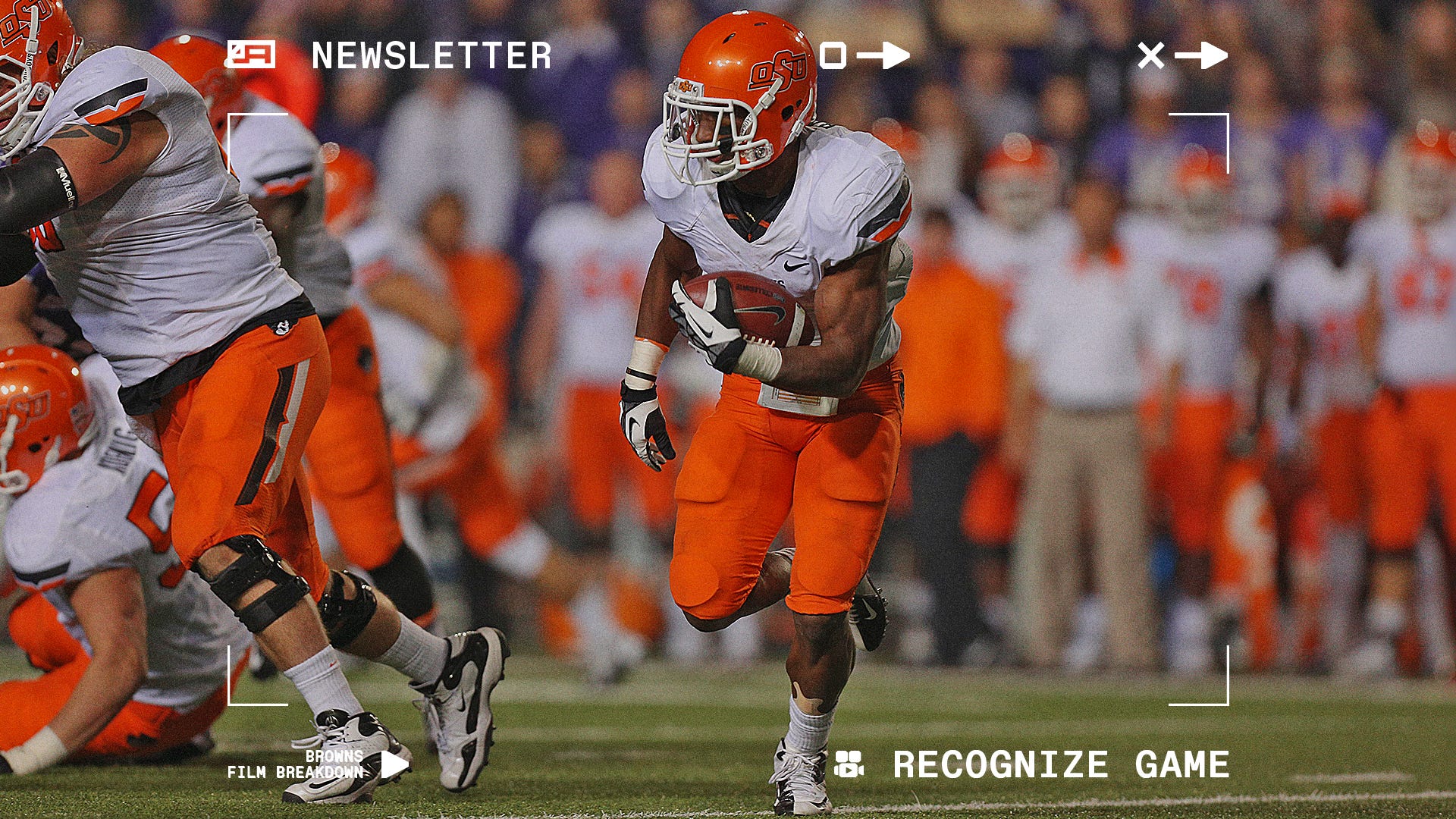
Oklahoma State (2011-2012)
Monken’s offenses at Oklahoma State were known for lighting up the scoreboard behind quarterback Brandon Weeden and All-American receiver Justin Blackmon. The Cowboys were among the most explosive passing attacks in college football, yet they still leaned heavily on Joseph Randle as their primary running back.
Randle rushed for over 1,200 yards in both seasons under Monken while serving as the unquestioned lead back. Jeremy Smith provided relief and rotational snaps, but the workload wasn’t split evenly. Randle consistently handled the majority of the carries while Smith served as the complementary option.
In 2011, Randle carried the ball 208 times for 1216 yards and 24 rushing touchdowns while averaging 93.5 yards per game. Randle added another 266 yards through the air. Still, Jeremy Smith had a nice role as well, rushing it 91 times for 646 yards. However, they leaned more on Randle as the lead back in 2012, when he received 274 carries on his way to 1,417 yards and 28 touchdowns while averaging 109 yards per game. While Smith saw his touches drop by only 21, his yardage dropped to 371 yards.
Takeaway: Even in one of the nation’s most pass-heavy offenses, Monken recognized Randle was special and relied heavily on him in both seasons, even more so in 2012 as he backed off of Smith’s usage, slightly leaning on Randle as the feature back.
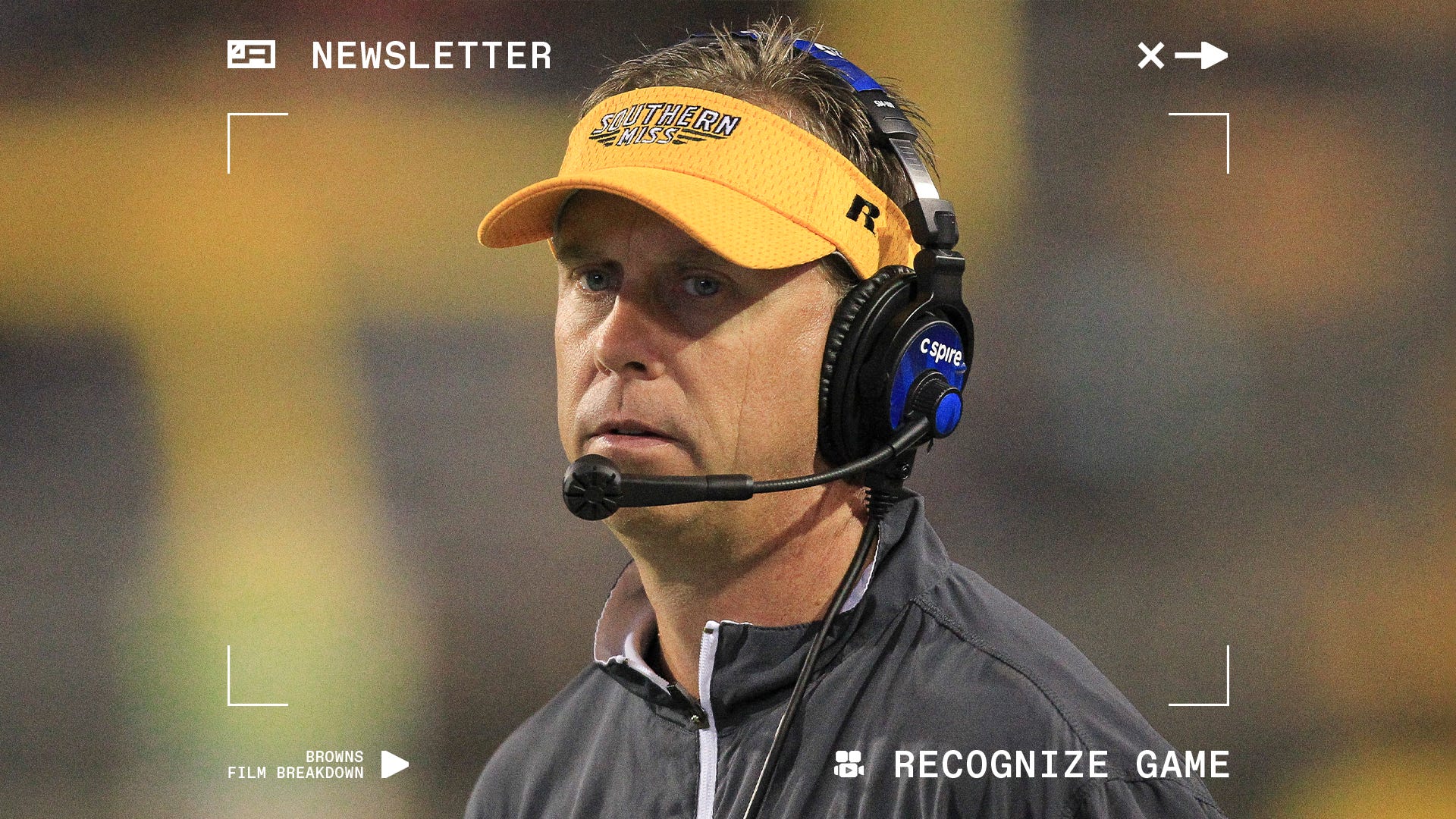
Southern Miss (2013-2015)
As head coach and offensive architect at Southern Miss, Monken inherited one of the worst programs in the country before orchestrating one of college football’s quickest turnarounds.
By 2015, quarterback Nick Mullens threw for more than 4,400 yards, but the offense also featured Ito Smith as its lead runner. Smith eclipsed 1,100 rushing yards while Jalen Richard and George Payne rotated behind him.
Smith handled the majority of the rushing workload, while Richard became an important receiving weapon out of the backfield and Payne filled a complementary role. There were multiple backs involved, but each player had a clearly defined responsibility within the offense.
Takeaway: Monken again leaned toward a feature back while utilizing complementary pieces based on their individual strengths.
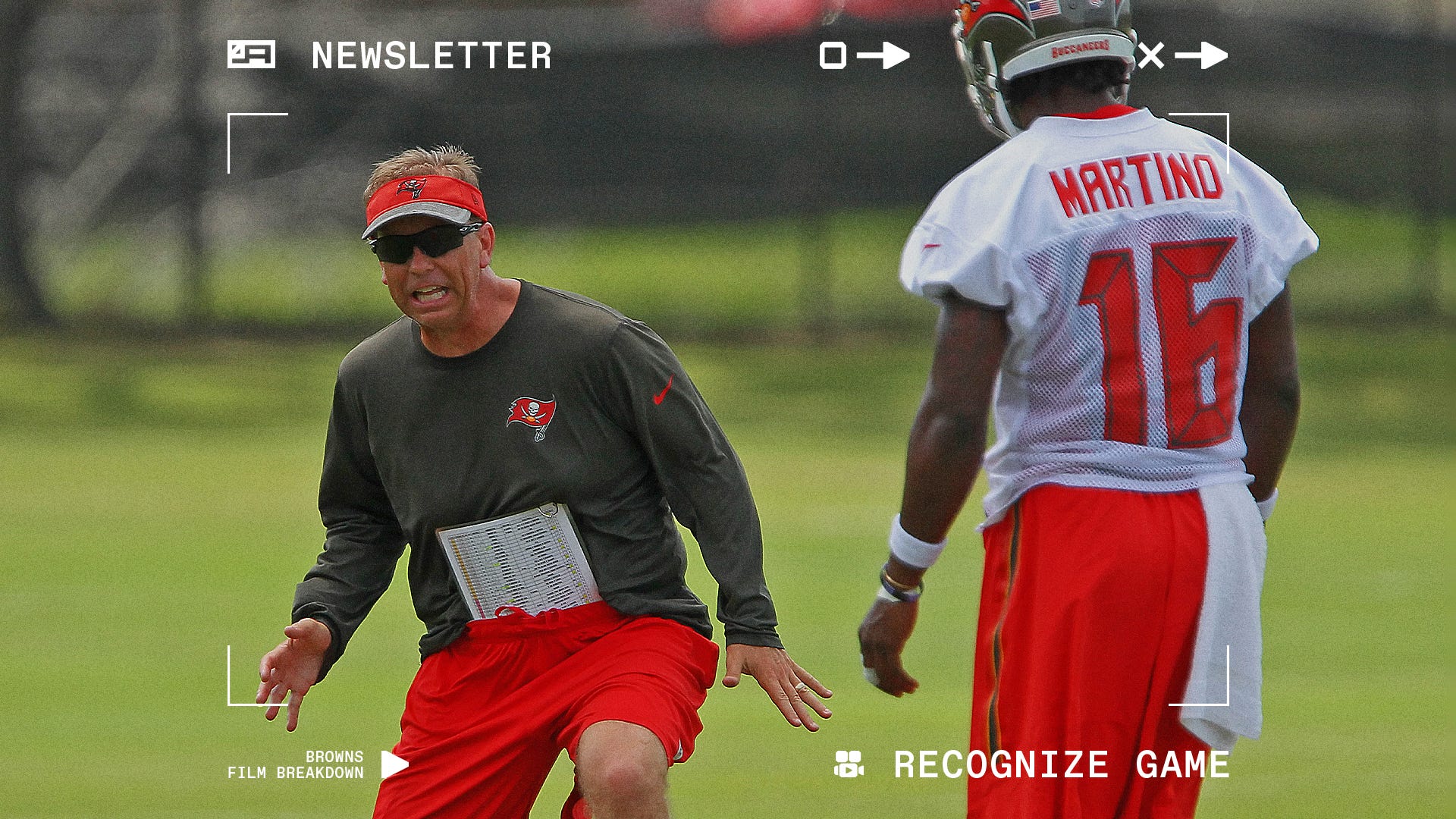
Tampa Bay Buccaneers (2016-2018)
Monken’s three seasons in Tampa Bay are often remembered for the passing game, and understandably so. With Jameis Winston, Ryan Fitzpatrick, Mike Evans, Chris Godwin, DeSean Jackson, O.J. Howard and Cameron Brate, the Buccaneers built one of the league’s most aggressive aerial attacks.
The running back usage changed somewhat due to injuries and personnel changes.
In 2016, Doug Martin missed significant time, forcing Jacquizz Rodgers and Charles Sims into larger roles than originally intended. That committee was largely born out of necessity rather than offensive philosophy.
By 2017 and especially 2018, Peyton Barber established himself as the lead runner. Barber finished the 2018 season with 234 rushing attempts while rookie Ronald Jones was slowly worked into the offense and finished with only 23 carries. Rodgers contributed in limited situations but was never a co-featured back.
Takeaway: Monken will spread it around if that’s what the situation calls for. He preferred to identify what each back does well and focus on finding them success in their defined roles. He still preferred to keep one as the primary runner once someone earned the role.
Cleveland Browns (2019)
Keep reading with a 7-day free trial
Subscribe to Browns Film Breakdown to keep reading this post and get 7 days of free access to the full post archives.