

The Opening Drive 1/9: Examining How The Power Dynamic In Berea Could Impact Coaching Search
Will the Browns FO have to relinquish power to land their next head coach?

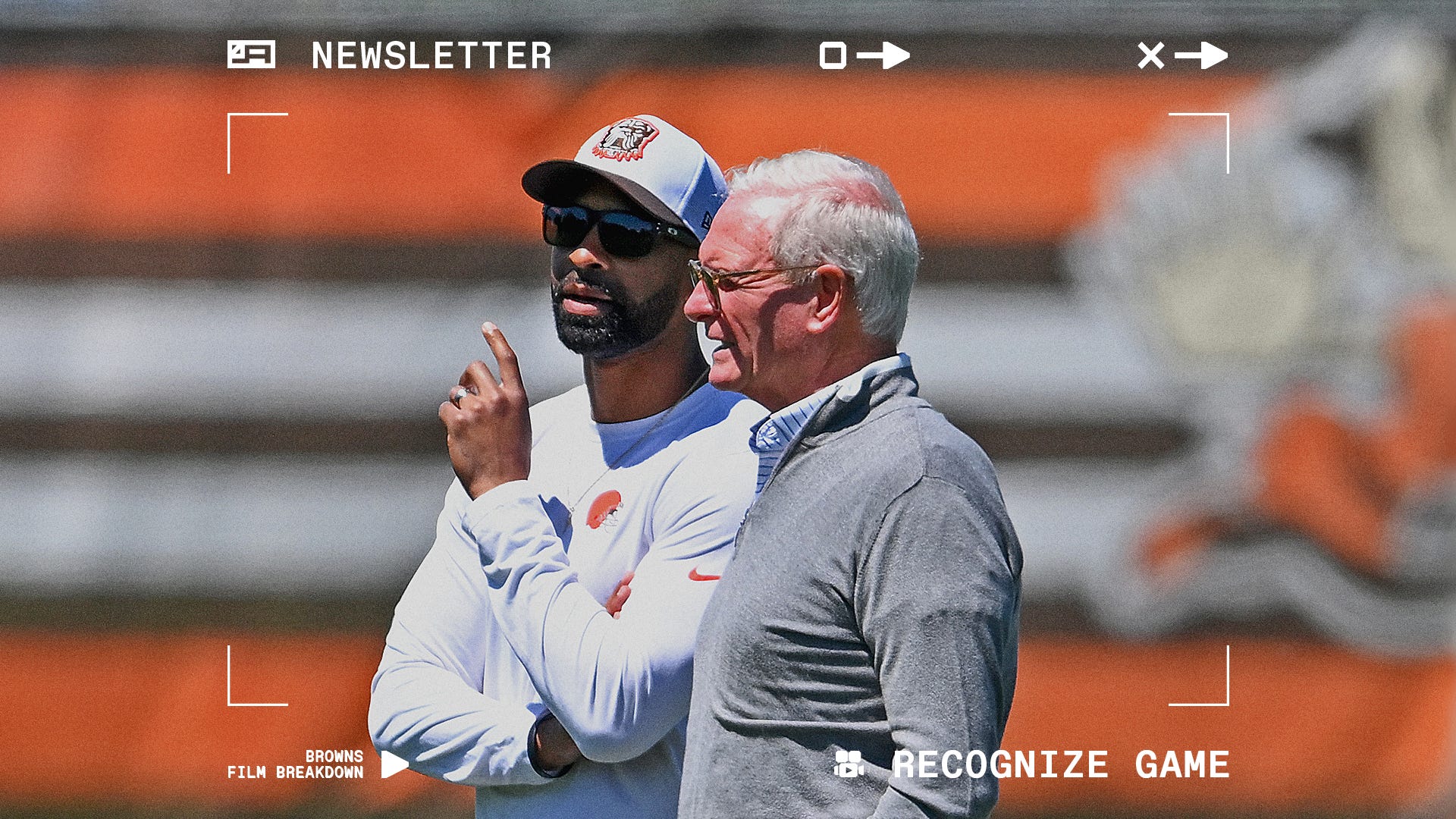
As the Cleveland Browns head coaching search unfolds, fundamental questions about the power dynamic and the existing organizational structure will be raised, especially as they bring in some of the more coveted names in this cycle for interviews. There are unanswered questions about Kevin Stefansk’s influence and power — and how much he actually had in some of the moves that led to where the organization stands now. As candidates come in to interview, the Browns will have to present a clearly defined power dynamic that doesn’t include meddling from ownership.
Recent league reporting suggests this matters significantly across the league. As Jeremy Fowler has repeatedly noted in his reporting on coaching cycles, candidates at the top of the market are increasingly selective about organizational structure, not just roster talent. The question they ask first is no longer “Who’s the quarterback?” — it’s “Who actually runs the building?”
For years, it had felt like Cleveland had operated under a structure that places the front office — specifically Andrew Berry and the analytics-heavy framework installed during the Paul DePodesta era — firmly above the head coach. Kevin Stefanski was hired into that reality, succeeded early within it, but eventually had to move away from his comfort zone and his staff in an attempt to make Deshaun Watson work. The context around those decisions matter as the Browns define where the power lies moving forward.
The most attractive coaching candidates won’t approach Cleveland as a blank slate. They’ll arrive informed. League-wide, Adam Schefter has emphasized how much autonomy has become a differentiator in coaching searches. Teams that can offer clarity — not just alignment, but authority — tend to separate themselves quickly. Coaches talk. Agents compare notes. Structures are vetted long before interviews begin.
Cleveland’s structure offers stability, but it also limits autonomy. Personnel control remains centralized—analytics influence weekly decision-making. Coaching staff often reflect organizational preferences rather than a coach’s full network. That model can work — but only for a specific type of coach, and those coaches are not always the most sought-after ones. If the Browns are targeting a first-time head coach or a coordinator eager for his first opportunity, the current setup may not be a dealbreaker. But if they want a proven offensive architect, a program builder, or a coach with multiple suitors, the dynamic shifts.
Below you’ll find the latest in the BFB catalog for supporters to dig into. Click the link to become a supporter if you haven’t already, and enjoy all the latest from Browns Film Breakdown.
Latest Podcasts:
Discussing and Ranking Confirmed Browns' Interviews, and Thoughts on the Mike McDaniel Firing
Remembering Kevin Stefanski’s Tenure with His Most Memorable Games
Latest Film Rooms:
Latest Articles:
Opening Drive 1/7: Coaching Search is Unlikely to Have Fanbase Approval
Opening Drive 1/6: Factors That Led to Andrew Berry Keeping His Position

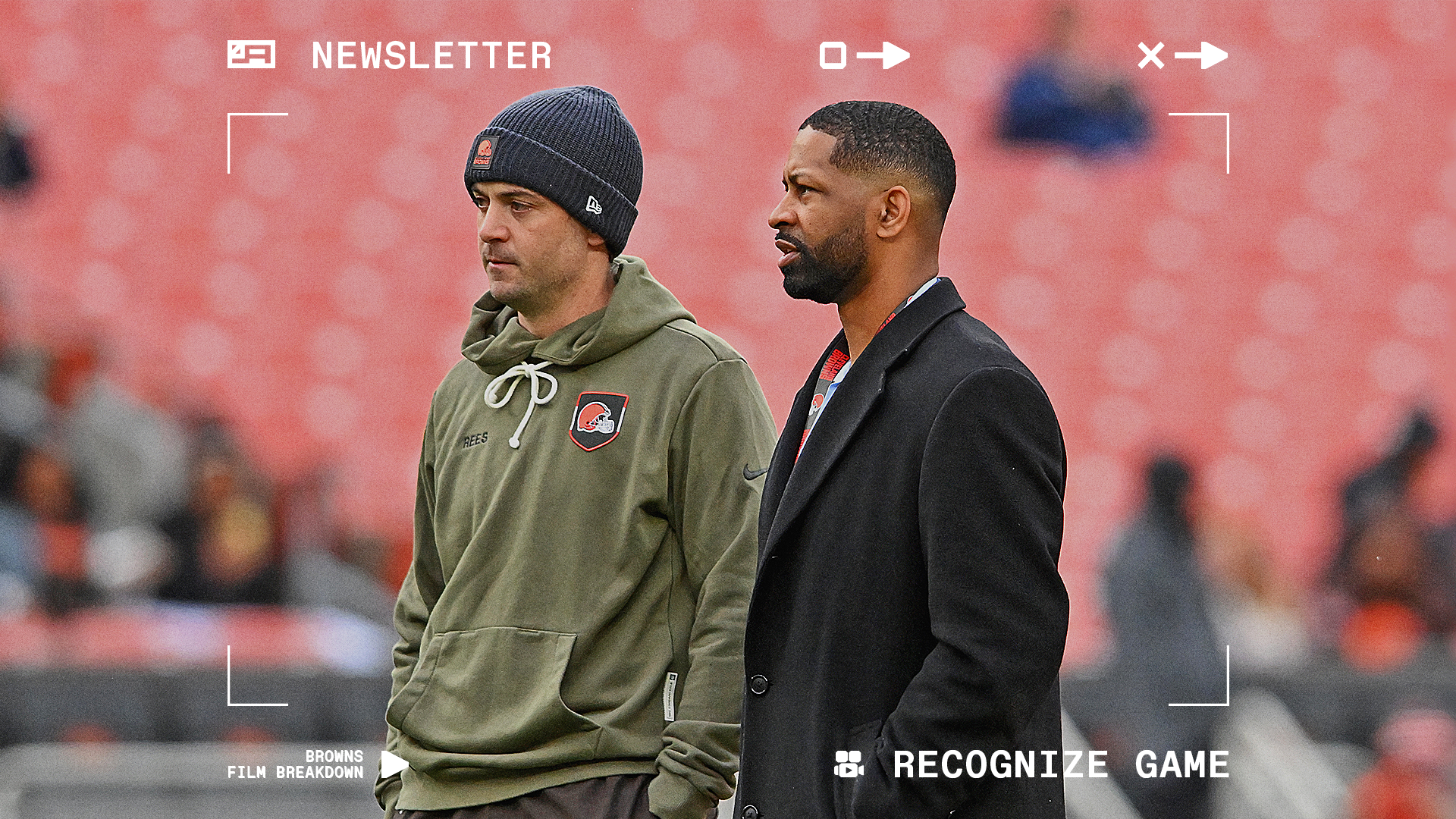
At that level, candidates want more than buy-in. They want influence.
They want a real voice in quarterback evaluation, not just consensus meetings after decisions are already shaped. They want to build their staff without excessive internal friction. They want clarity that they will have final say on game-day philosophy even when it clashes with analytical models.
We have seen examples as recently as last season with Liam Coen and the Jaguars, that if the right people covet a coach, he can create immediate change, as Coen did when he withdrew his name from consideration in Jacksonville and then later took the job after the organization fired GM Trent Baalke. Could a big-name coach force the Browns to abandon their front-office-driven identity? It’s unclear, but with Depodesta gone, it would behoove them to approach select candidates with greater flexibility.
If the Browns want a coach capable of elevating the entire operation rather than simply surviving within it, concessions will likely be necessary.
That could mean expanded influence over personnel. Greater freedom in staff construction. More apparent authority on game-day decisions without a philosophical tug-of-war. None of that dismantles the front office. It modernizes the partnership. The Browns don’t need to relinquish control entirely, but in today’s NFL, the best head coaches aren’t just looking for openings. They’re looking for alignment, trust — and a real seat at the table.
If the Browns don’t approach candidates willing to offer that, the list of coaches who can provide excellence gets shorter fast.
It will be interesting to see how much big-game hunting Berry and his coaching search undergo. There is an unfortunate outcome involving Berry and the previous power dynamic operating in this search, with the preservation of that dynamic at the forefront. Do they want to hire the best coach who will do things their way? We can only hope that experience and the current reset, free of Depodesta’s influence, allow this search to be what it is supposed to be about - An opportunity for real change, even if that means placing some power where it best serves the organization.

Browns Film Breakdown will return soon with some fresh content.

Great write up!
Amazing article