

The Opening Drive 7/29: Todd Monken's Schemes to Know -- Perimeter Screen Game
The schemes get creative, and this is where KC Concepcion has a chance to thrive.

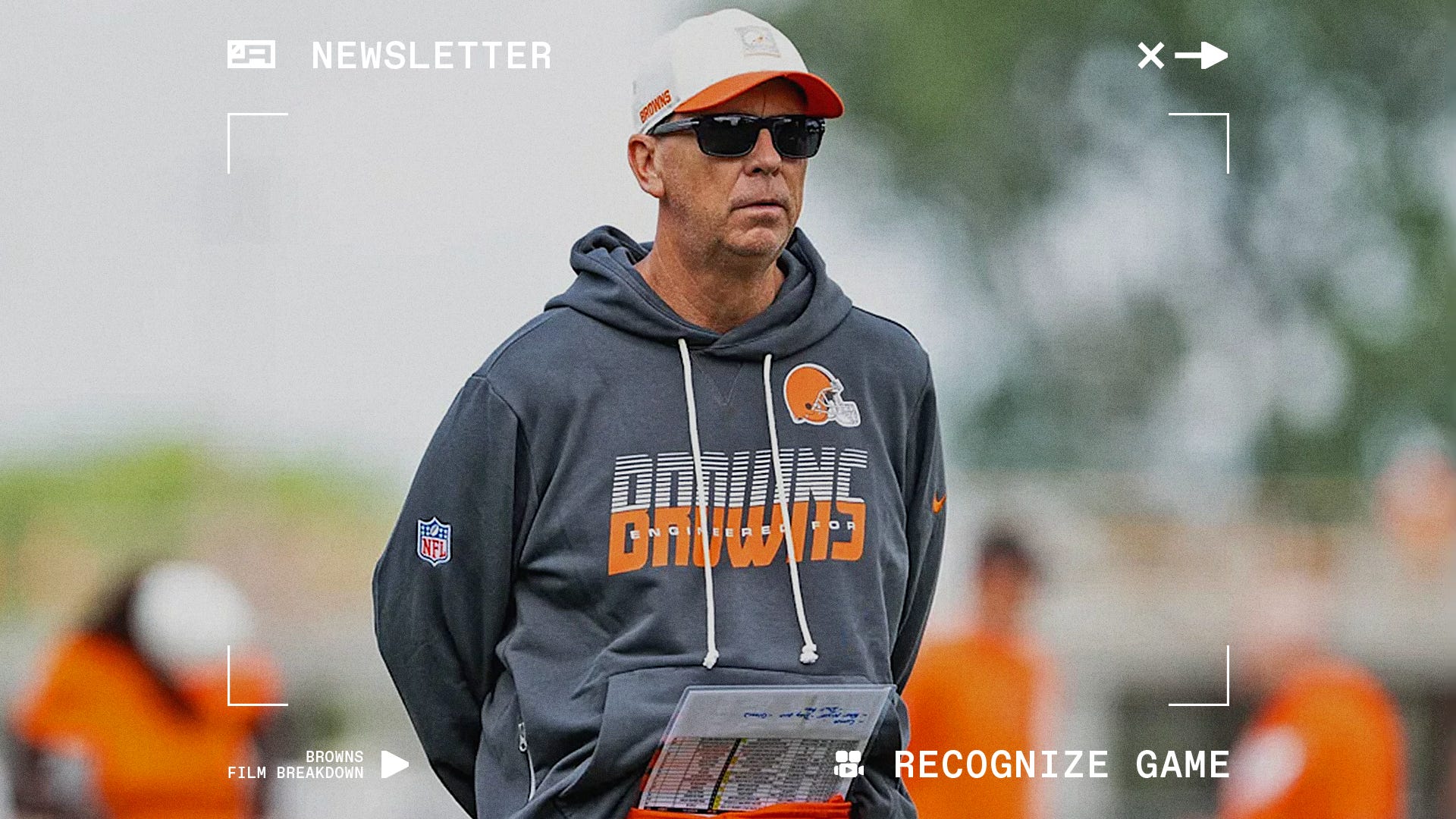
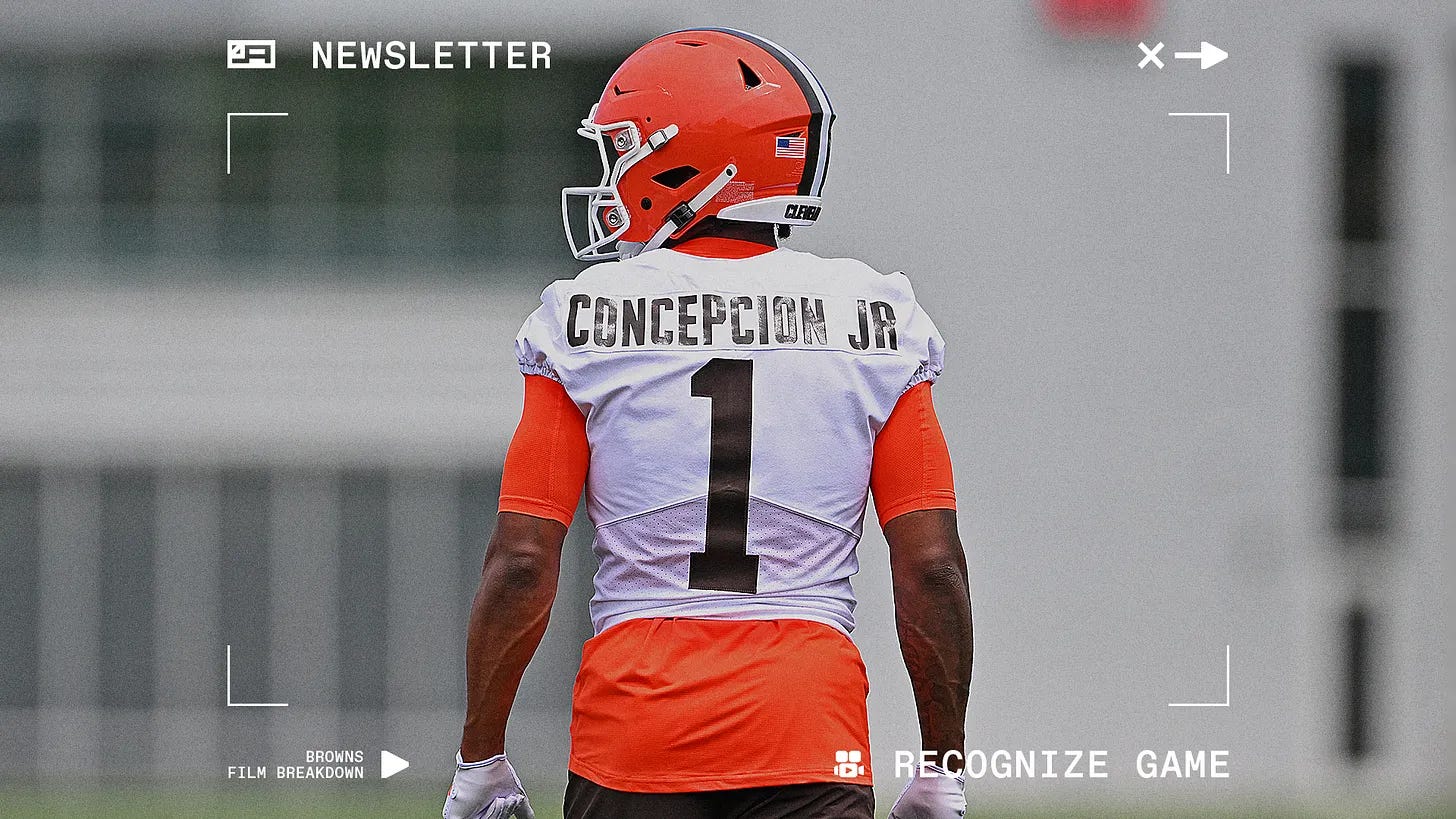
We’ve focused plenty on run concepts in the last week as we continue to provide you guys with the schemes you will see from Todd Monken this year. Our last edition we focused on some specific run-action toss play-action concepts Monken loves when hunting for explosives. Today we hit on the screen game, and in particular his use of Zay Flowers, that became dangerous for the Ravens offense. As you well know, the Ravens loved moving their offensive lineman, stressing the second-level of opposing defenses, and forcing defenders to tackle his skill position players in space. That idea perfectly translates to Cleveland, and in particular, the use of rookie KC Concepcion.
Under Monken, the Ravens ran screens to their skill players often and just about as deliberately as anyone in the league, and Zay Flowers was the player who absorbed the bulk of it. Since 2023, Flowers has drawn 65 screen targets — tied with Ja’Marr Chase for the fifth-most among wide receivers over that stretch, trailing only DJ Moore, Khalil Shakir, Deebo Samuel, and Rashee Rice. That’s the kind of volume that gets a receiver’s name into “featured weapon” conversations and I expect most of that to translate for the Browns this year.
Flowers caught 57 of those 65 looks — an 87.7% catch rate, fine but unremarkable relative to the group — for 341 yards, an average of 6.0 yards per catch and 8.5 yards after the catch per reception. Both numbers sit squarely in the middle of the pack among the sixteen most-targeted screen receivers in football since 2023. He ended up with the eighth most yards on screen concepts in that time frame and the concepts Monken used for Flowers were often deliberate and built on deception pre and post snap. Flowers has a way of making defenders miss in space and slithering into tight spots for cheap yards. Again, another familiar trait of Concepcion that I am sure Monken will attempt to streamline immediately to make his rookie feel comfortable. Let’s look at the specific screen concepts Monken preferred and how they translate.
Below you’ll find the latest in the BFB catalog for supporters to dig into. Click the link to become a supporter if you haven’t already, and enjoy all the latest from Browns Film Breakdown.
Latest Podcasts:
Denzel Ward Extension Analysis, and Training Camp Mailbag Part I
Browns Standing in NFL's Under-25 Talent Rankings, and "26 for 26" Continues with Harold Fannin Jr.
Browns Make a Move in the Secondary, and "26 for 26" Continues with Spencer Fano
Latest Articles:
Opening Drive 7/28: Position Battles That Will Define Browns Training Camp
Opening Drive 7/27: Todd Monken's Schemes to Know -- Run-Action Toss Series
Opening Drive 7/25: Todd Monken's Schemes to Know -- Power and Counter
Opening Drive 7/24: Todd Monken's Schemes to Know -- Outside Zone
Opening Drive 7/23: Todd Monken's Schemes to Know -- Pin and Pull Sweep
Opening Drive 7/21: Todd Monken's Schemes to Know -- Trap Influence and False Pulls
Opening Drive 7/20: Todd Moken's Schemes to Know -- Wham and Crunch
Latest Film Rooms:

Monken used the screen as a rhythm and honesty tool rather than an explosive-play generator — a low-risk completion that kept a talented but streaky route runner involved and staying on schedule with down-and-distance, not a home-run swing. Flowers’s zero drops on 65 targets support that framing; whatever the concept did or didn’t produce, it wasn’t for lack of reliable hands or execution. There’s nothing more Monken loves than selling movement one direction and hitting the opposite direction quickly.
That brings us to our first screen concept: trap influence tunnel screen. Now, we’ve discussed this in-depth already but we have to hit on it again here because it’s a staple and drove defenses crazy.
Keep reading with a 7-day free trial
Subscribe to Browns Film Breakdown to keep reading this post and get 7 days of free access to the full post archives.